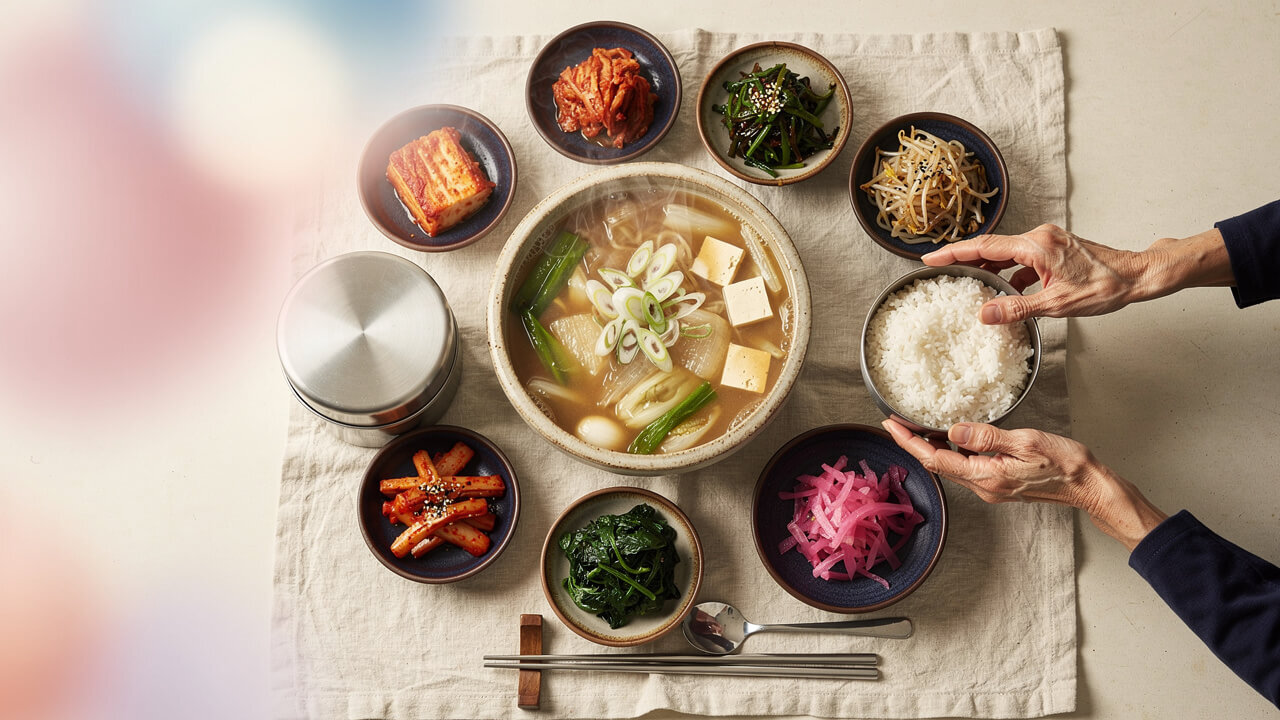

Happy birthday in Hangul: how to write 생일 축하해 for friends, family, and fans
You found the cake, you found the candles, and now you need the words. If you are searching for happy birthday in Hangul, you probably don’t just want to say it. You want to write it: on a card for your best friend, on a cake for your halmeoni, on a banner for your bias, on a cupsleeve design you’ve been sketching at 2 a.m. That’s where most guides stop being useful. They hand you three phrases and a romanization, and then you’re alone with a pen and a blank card.
This guide does the whole job. You’ll get the everyday versions, the respectful word for grandparents, the tiny particle that turns a name into a greeting, a block-by-block walkthrough of writing 생일 축하해 by hand, and the spelling and spacing mistakes that show up on cakes all the time. Then we’ll go full fan: what people write for an idol’s birthday, how birthday cafes work, and the words you’ll see when you get there.
Happy birthday in Hangul: the three everyday versions
Korean doesn’t have one “happy birthday”. It has one birthday word, 생일 (saengil, “birthday”), plus the verb 축하하다 (chukhahada, “to congratulate, to celebrate”), and you pick the verb ending that fits the person in front of you. Literally, you’re saying “I congratulate your birthday”. Nobody hears it that way. It just means happy birthday.
Here are the three versions you’ll use almost every time:
- 생일 축하해 (saengil chukhahae): casual, or banmal. For your best friend, your sibling, your groupchat. Only use it with people you already talk to casually.
- 생일 축하해요 (saengil chukhahaeyo): polite, the safe default. Coworkers, a friend’s parent you’ve met twice, the cafe owner who knows your order, anyone you’re not sure about.
- 생일 축하합니다 (saengil chukhahamnida): formal polite. Speeches, announcements, a message from a whole team, the birthday song.
The difference between the first two is one syllable, 요 (yo), and that syllable carries a lot of weight. Dropping it with someone who expects it reads as overfamiliar, the way calling your teacher “dude” would. Adding it with your best friend sounds a little stiff, like you’re keeping your distance. When in doubt, 해요.
How it actually sounds
Romanization lies a little here. 축하 is spelled with ㄱ followed by ㅎ, but when those two meet, they merge into an aspirated ㅋ sound, so 축하해 is pronounced [추카해], roughly choo-ka-heh. And 합니다 is pronounced [함니다], ham-ni-da, because the ㅂ softens to ㅁ before ㄴ. That’s why you’ll see the same phrase romanized as chukahae, chukhahae and chukha hae across the internet. They’re all trying to write one sound. This blog uses Revised Romanization, the South Korean standard, so it’s chukhahae here.
For grandparents and elders: 생신
When the birthday belongs to someone a generation or more above you, swap the noun. 생신 (saengsin) is the honorific word for birthday, and it pairs with 축하드리다 (chukhadeurida), a humbler “to offer congratulations”:
- 생신 축하드려요 (saengsin chukhadeuryeoyo): warm and respectful. What a grandkid writes on a card.
- 생신 축하드립니다 (saengsin chukhadeurimnida): the most formal. A speech at a 70th-birthday dinner, a message from the whole family.
Some people argue that you “do” congratulations rather than “offer” them, so 축하드립니다 is wrong. The National Institute of Korean Language disagrees: it treats -드리다 as a suffix that adds a sense of humble action, and it says both 축하합니다 and 축하드립니다 are correct. Write 축하드려요 for your grandma with a clear conscience.
Pair it with the right address word, too. 할머니 (halmeoni) is grandma and 할아버지 (harabeoji) is grandpa, and both get 생신, not 생일. If you’re sorting out who’s oppa and who’s unnie in your own family tree, our guide to oppa, unnie, hyung, and noona has the full sibling grid.
Adding a name: the 아/야 rule
This is the part nobody tells you, and it’s the difference between a card that sounds Korean and one that sounds translated. When you call someone by their given name in casual Korean, you add a little vocative particle, like a verbal tap on the shoulder:
- If the name ends in a consonant, add 아 (a). 민준 becomes 민준아 (Minjun-a).
- If the name ends in a vowel, add 야 (ya). My own name, 하나, ends in a vowel, so my friends write 하나야 (Hana-ya).
So a birthday card for your friend Minjun reads:
민준아, 생일 축하해. (Minjun-a, saengil chukhahae.) “Minjun, happy birthday.”
How do you know if a name ends in a consonant? Look at the last syllable block in Hangul. If it has a consonant sitting at the bottom (a batchim, like the ㄴ in 준), it’s a consonant ending. If the block is just consonant plus vowel (like 나), it’s a vowel ending. You don’t need to know the romanization at all.
The quieter version: name + 이
There’s a second pattern you’ll see in the middle of a sentence. Consonant-ending names often pick up a soft 이 (i): 민준 becomes 민준이, as in 민준이 생일 축하해, “happy birthday to Minjun”, the kind of thing you’d write on a group card. Vowel-ending names don’t need it: 하나 생일 축하해. When you switch to calling the person directly with 아, that extra 이 drops out, which is why it’s 민준아 and never 민준이아.
When not to use 아/야
아/야 is for friends, younger siblings, and people your age or younger whom you’re close to. It is never for elders, and it’s not for people you’d use 해요 with. For a coworker you’d write the name plus 씨 (ssi), as in 민준 씨, 생일 축하해요. And 씨 is for equals, not seniors: your grandma gets 할머니, never her name.
How to write 생일 축하해 by hand, block by block

Hangul isn’t written letter by letter in a row like English. Each syllable is a block, and every block follows the same logic: start with a consonant, attach a vowel to its right or underneath it, and sometimes park a final consonant at the bottom. Once you see that, 생일 축하해 is five blocks and about two minutes of practice. Here’s each one, in order.
생 (saeng)
ㅅ (s) on the top left, ㅐ (ae) to its right, and ㅇ underneath both as the final consonant, where it sounds like ng. ㅐ is a tall vowel, so the consonant sits beside it, not above it. Keep the ㅅ and ㅐ compact, because the ㅇ needs room at the bottom.
일 (il)
This block starts with ㅇ again, but at the start of a syllable ㅇ is silent. It’s a placeholder, because a Korean block can’t start with a vowel. Then ㅣ (i) to the right, and ㄹ (l) underneath. So one letter, ㅇ, plays two roles in one word: ng at the bottom of 생, and silent at the top of 일.
Now leave a space. That gap between 생일 and 축하해 matters, and we’ll come back to it.
축 (chuk)
The tallest block. ㅊ (ch) on top, ㅜ (u) underneath it, because ㅜ is a wide, flat vowel, and ㄱ (k) at the very bottom. Three layers stacked. Squash each layer a little so the whole block stays the same height as its neighbors.
하 (ha) and 해 (hae)
Both start with ㅎ (h), the consonant with a little hat. 하 adds ㅏ (a) to the right. 해 adds ㅐ (ae) to the right, the same vowel you wrote in 생. Want the polite version? Add one more block: 요 (yo), a silent ㅇ with ㅛ underneath.
Making it look good
- Stroke order is top to bottom, left to right, inside each letter and inside each block.
- Imagine every block in an invisible square of the same size. Beginner Hangul looks wobbly when 축 is twice as tall as 하. Squares fix that instantly.
- Practice on scrap paper first, at the size you’ll write it. Writing on a cake with frosting is a lot less forgiving than a pen. Pipe it on a plate before you pipe it on the cake.
- For a banner or poster, sketch the five blocks in pencil inside square boxes, then ink over them.
If you can write these five blocks, you can already read a surprising amount: 사랑해 (saranghae, “I love you”) uses the same ㅎ and ㅐ you just practiced. Our saranghae guide breaks that one down too.
Mistakes to avoid on cards and cakes
Here’s what goes wrong most often when people write happy birthday in Hangul, and how to dodge it.
1. Gluing it all together
생일축하해 is everywhere, on cakes and in quick texts, but the standard spelling has a space: 생일 축하해. The National Institute of Korean Language spells it out: 생일(을) 축하하다, with a space after 생일, because 생일 is the object of the verb. On a text to a friend, nobody minds. On a printed banner, a cake from a bakery, or a design someone will photograph, use the space. Same rule when you add a name: 하나 생일 축하해, with a space after the name too. The one place to not add a space is inside 축하드립니다. That’s one word.
2. Swapping ㅐ for ㅔ
For most Seoul speakers today, ㅐ and ㅔ sound almost identical, so your ear won’t save you. Dictionaries even list 생일 with both pronunciations. The spelling is still fixed: 생 with ㅐ, never 셍. Same for 해. Look at the vowel: ㅐ has two vertical lines with the short stroke between them pointing right (like ㅏ plus ㅣ). ㅔ has its short stroke pointing left (like ㅓ plus ㅣ).
3. Spelling it the way it sounds
Because 축하 sounds like [추카], learners who learned by ear sometimes write 추카해. On a formal card, a cake for an elder, or anything permanent, write 축하. Same goes for 합니다: it sounds like [함니다], but you write 합.
4. The wrong particle on a name
민준야 and 하나아 are the two classic slips. Check the last block: a bottom consonant means 아, no bottom consonant means 야.
5. The wrong speech level for the reader
A casual 생일 축하해 to your boss, or a plain 생일 축하해요 to grandma when 생신 축하드려요 is what the moment calls for. The words are right. The relationship is wrong.
6. Trusting a machine with the name
Translation apps are fine for 생일 축하해, but they mangle names, especially transliterated English names, and they can’t tell whether you need 아 or 야. If the card is for a Korean-speaking person, ask how they spell their own name in Hangul, or copy it from something they wrote. Getting someone’s name exactly right is the whole point of the card.
Fan mail
One email a week, written like a group chat
The Korean word everyone's using, the fandom ritual behind it, and the newest designs before they hit the shop. No spam. Unsubscribe anytime.
What fans write for an idol’s birthday
Every fandom has the date memorized. The question is what to write. Fans use the same three building blocks as everyone else, just with more hearts:
- [name] 생일 축하해요: the safe, warm default for a fan letter, a comment, or a post. Polite, because you don’t actually know them (yet, in your heart).
- [name] 생일 축하해: you’ll also see casual banmal on fan-made signs and banners. It’s affectionate rather than rude in that setting, but if you’re unsure, 해요 is never wrong.
- 생일 축하합니다: common on formal or collective messages, like a big fandom banner signed by the whole community.
And the lines fans add underneath:
- 태어나 줘서 고마워요 (taeeona jwoseo gomawoyo): “thank you for being born.” The most fandom sentence in the Korean language. Cheesy, sincere, and on a lot of birthday banners.
- 항상 응원할게요 (hangsang eungwonhalgeyo): “I’ll always cheer for you.” 응원 is the same cheering you do with a lightstick.
- 행복하세요 (haengbokhaseyo): “be happy.” 건강하세요 (geonganghaseyo): “stay healthy.” Both work for idols, friends, and grandparents alike.
- 사랑해요 (saranghaeyo): you know this one. And for the maknae of the group, fans love adding a bit of big-sibling energy. Our maknae guide explains why the youngest gets the most fuss.
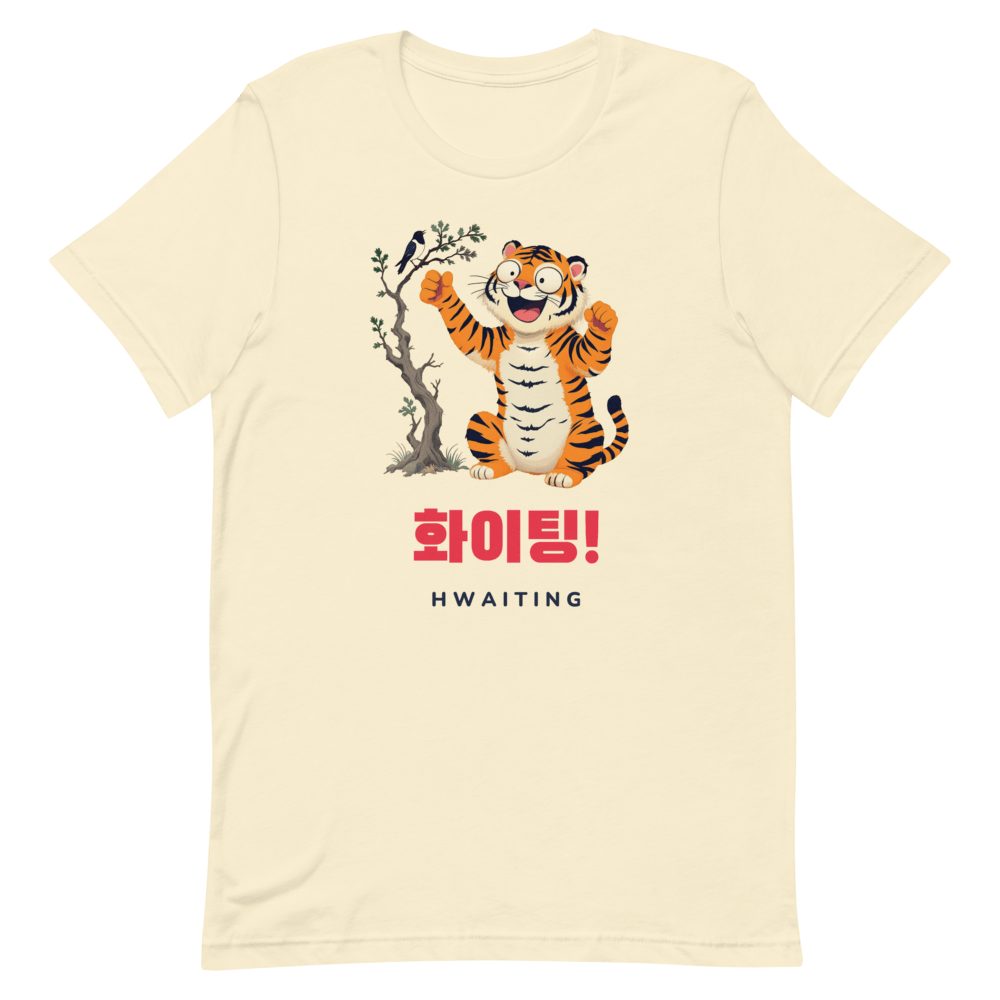
- 화이팅 (hwaiting): “you’ve got this,” for the year ahead. More on that in our hwaiting meaning guide.
Birthday cafes and cupsleeve events
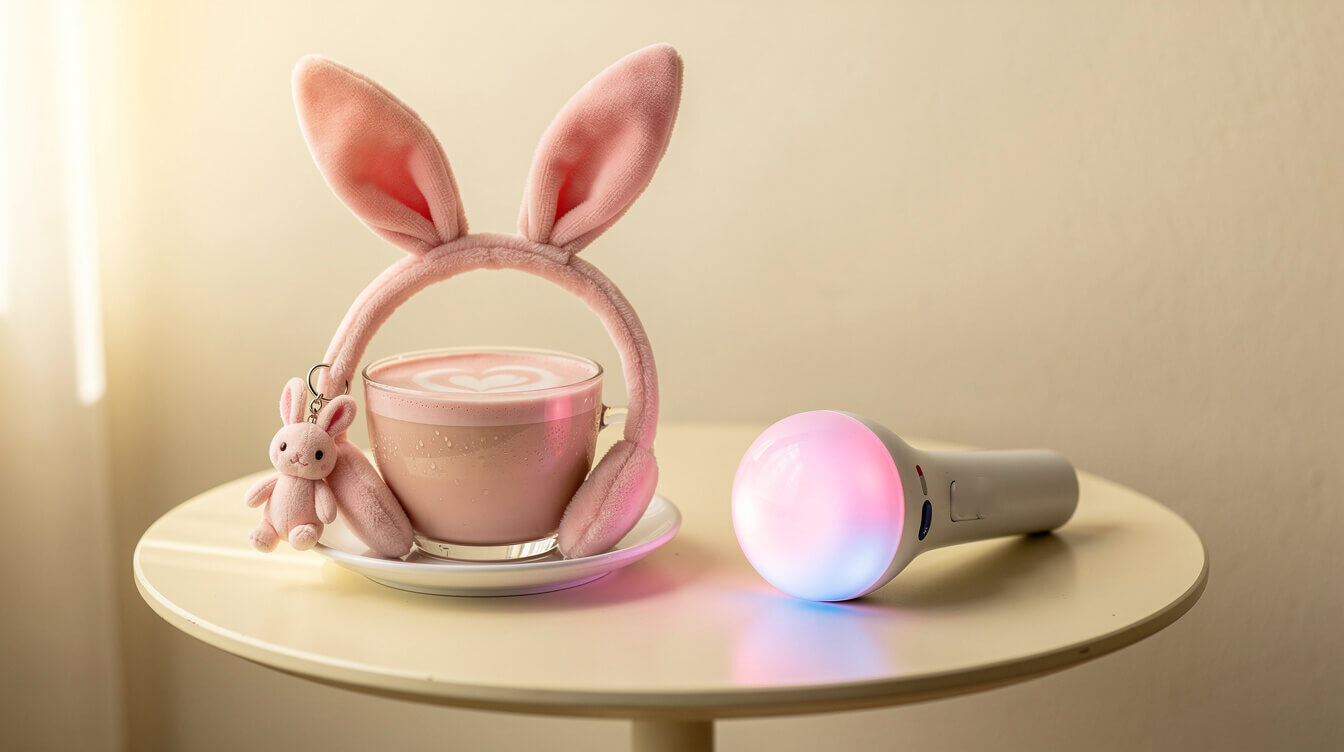
In Korea, an idol’s birthday doesn’t just get a post. It gets a cafe. A 생일 카페 (saengil kape, “birthday cafe”), shortened to 생카 (saengka), is a regular cafe that fans rent and fill with photos, banners, and screens playing the birthday person’s stages and variety clips. You buy a drink and get 특전 (teukjeon), the event freebies: usually a custom cupsleeve, which Koreans call a 컵홀더 (keopholdeo, Konglish for “cup holder”), plus stickers or photocards. Fans plan whole cafe tours to collect every sleeve in the city, and in busy cafe neighborhoods like Hongdae and Gangnam, there are so many that whatever week you visit, you can tell whose birthday just happened.
Two things surprise new fans. First, the birthday person doesn’t come. It’s 생카, not 생파 (saengpa, short for 생일 파티, “birthday party”). It’s a party by fans, for fans, in honor of someone who’s working that day. Second, it’s fan-run all the way down. Outside Korea the same idea goes by “cupsleeve event”: fan organizers book a cafe, design and pay for the sleeves and freebies, and run it, usually for one to three days. They became much more common in the US around 2021, and if you’ve been to one, you know how much love goes into a stack of free cardboard sleeves.
If you’re designing one, the Hangul on the sleeve gets photographed hundreds of times. That’s where every rule above pays off: the space between 생일 and 축하해, the right vowel, and the name spelled exactly the way the fandom spells it. Ask a Korean-reading fan friend to check it before it goes to print.
A note on etiquette
Birthday projects are gifts. Some fans fund a subway ad, some rent a cafe, and some write one line in a comment section. All of those count. Nobody’s love is measured in won, so don’t let anyone tell you yours is too small.
The birthday song, miyeokguk, and other birthday words
The Korean birthday song uses the same tune you already know. The lyrics are just 생일 축하합니다 sung three times, with the third line swapped for 사랑하는 (saranghaneun, “beloved”) plus the person’s name. Notice it’s the formal 합니다 even at the most casual family party. That’s just how the song goes.
And then there’s soup. 미역국 (miyeokguk) is seaweed soup, the dish traditionally given to new mothers after giving birth, and many Koreans eat it on their birthday too. It’s a quiet nod to the day your mom had you. One warning: don’t serve it before an exam. 미역국을 먹다, “to eat seaweed soup”, is also an idiom for failing one.
A few more words to recognize:
- 귀 빠진 날 (gwi ppajin nal): a slangy, joking way to say birthday, literally “the day the ears came out”, from 귀 빠지다, slang for being born. Say it to a friend, never in a card to an elder.
- 돌잔치 (doljanchi): a baby’s first-birthday party, one of the biggest family celebrations.
- 생일 선물 (saengil seonmul): birthday present.
- 만 나이 (man nai): international age. Since June 2023, it’s been the legal standard in South Korea for civil and administrative purposes, so the “Korean age” jokes you’ve heard are mostly retired in official life.
Happy birthday in Hangul: quick answers
What is the most common way to write happy birthday in Hangul?
생일 축하해요 (saengil chukhahaeyo). It’s polite, warm, and safe for almost anyone. Use 생일 축하해 for close friends and 생신 축하드려요 for grandparents.
Is it “saengil chukha hamnida” or “saengil chukhahamnida”?
Same phrase, different romanization. In Hangul it’s 생일 축하합니다, with one space, after 생일. Romanization splits it differently on different sites, but the Hangul doesn’t change.
Should there be a space in 생일 축하해?
Yes. Standard spelling puts a space between 생일 and 축하해. You’ll see it glued together in casual texts and on plenty of cakes, but for anything printed or formal, keep the space.
Can I write banmal to my bias?
You’ll see plenty of fans do it on banners and signs, and it reads as affection. If you’re writing a letter and want to be safe, 해요 is always appropriate and never awkward.
How do I add a friend’s name?
Name plus 아 if it ends in a consonant (민준아), plus 야 if it ends in a vowel (하나야), then a comma and 생일 축하해. For anyone you use 해요 with, write their name plus 씨 instead.
From the shop
Hwaiting Korean Tiger Cheering T-Shirt
Price range: $24.99 through $26.99
Shop this designWrite it, then say it
Happy birthday in Hangul is five blocks, one space, and a choice about who you’re talking to. Pick the speech level for the person, add 아 or 야 if you’re close, keep the space after 생일, and check your ㅐ. Then add the line that makes it yours: 태어나 줘서 고마워, 항상 응원할게, or just 사랑해.
Your friend will keep the card. Your grandma will put it on the fridge. And somewhere in a crowded cafe, someone will photograph the cupsleeve you designed because you spelled it right. And if the birthday news is extra good this year, there’s a word for that reaction too: daebak.
생일 축하해!
Before you log off
Get the next one in your inbox
We write about Korean phrases, fandom culture and concert life every day. The best of it lands in one short weekly email.